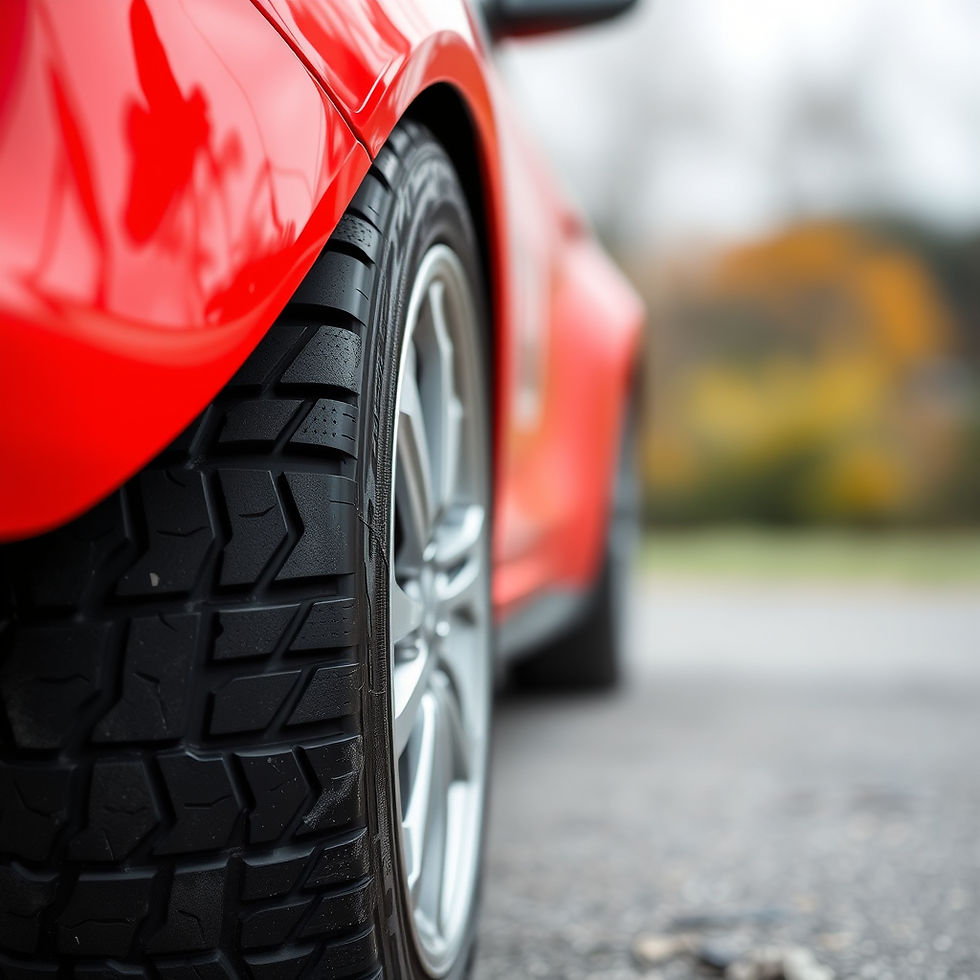
Why Choose DunlopTyres: Performance, Safety, and Value Reviewed

Selecting a new set of car tyres often involves balancing the initial purchase cost against the long-term safety and efficiency of the vehicle. Dunlop Tyres remains a prominent choice for motorists who require a tyre capable of handling the varied demands of British roads, from motorway cruising to wet urban commutes. This review examines how the brand's specific technologies, such as Noise Shield and specialised tread compounds, translate into real-world benefits for the driver.

What Defines Dunlop Tyres?
Dunlop is a premium tyre manufacturer that focuses on high-performance rubber and innovative construction techniques to enhance driver feedback. The brand is particularly noted for its history in motorsport, which informs the development of road tyres that prioritise steering precision and stability at higher speeds. Unlike budget brands that focus solely on price, these products are engineered to meet the stringent original equipment standards set by major vehicle manufacturers.
A defining characteristic of the current range is the use of a flatter tread profile, which increases the contact patch. The contact patch is the area of the tyre actually touching the road surface at any given time. By enlarging this area, the tyre provides better stability and more predictable handling during cornering.
How Does Dunlop Technology Work?
The performance of these tyres is driven by several proprietary mechanical features designed to solve common driving frustrations. One primary mechanism is the Multi-Radius Tread (MRT) design, which employs ten different radii across the tread face to distribute pressure more evenly. This ensures that the tyre maintains its shape under load, leading to more consistent grip levels when transitioning from straight lines to sharp turns.
Another significant advancement is the Noise Shield technology, which addresses the vibrations that cause cabin drone. A layer of polyurethane foam is bonded to the inner surface of the tyre to dampen the sound waves generated by air compression inside the cavity. For motorists looking for a quieter commute, this feature can reduce interior cabin noise by up to 50% (4 dB(A)) without affecting the tyre's mileage or fuel efficiency.
What Are the Key Benefits of This Brand?
Choosing a premium brand like Dunlop offers several tangible outcomes that go beyond simple road legality. Because the rubber compounds are enriched with silica, they remain flexible at lower temperatures and provide superior chemical bonding with wet road surfaces. This directly results in shorter braking distances when the weather turns, which is a critical safety factor on congested UK roads.
The benefits of fitting these tyres include:
● Enhanced steering feel through a more rigid sidewall construction that resists deformation.
● Reduced risk of aquaplaning due to deep circumferential grooves that evacuate water rapidly.
● Lower fuel consumption achieved through advanced compounds that reduce rolling resistance.
● Improved cabin comfort via specialised internal foam layers that suppress road roar.
● Greater durability in high-torque applications, such as those found on modern electric vehicles.
Are There Any Limitations to Consider?
While Dunlop tyres excel in performance metrics, they carry a higher upfront price point than mid-range or budget alternatives. For a driver who only performs low-speed, low-mileage urban trips, the sophisticated high-speed stability features may offer more capability than is strictly necessary for their daily routine. The softer, high-grip compounds found in their sportier ranges can also wear faster if the vehicle's wheel alignment is not perfectly maintained.
Wheel alignment refers to the angle at which the tyres are set against the chassis and the road. If the alignment is out of specification, the high-performance tread may scrub against the tarmac, leading to premature wear on the inner or outer edges. Motorists must ensure their vehicle geometry is checked regularly to protect the investment made in premium rubber.
Who Should Choose Dunlop Tyres?
These tyres are most suitable for drivers who prioritise a connected driving experience and frequently use motorways or A-roads. The brand’s focus on "touch technology" makes them an excellent fit for executive saloons and performance hatchbacks where the driver wants to feel exactly how much grip is available through the steering wheel. They are also a strong choice for high-mileage commuters who will benefit from the improved fuel economy ratings found on the EU tyre label.
Conversely, they might not be the primary choice for older vehicles used strictly for short "run-around" tasks where budget is the only concern. For vehicles where safety in the wet and refined motorway manners are the priority, the price trade-off is usually justified. This is due to the increased performance and potential fuel savings over the life of the tread.
How to Maintain Dunlop Tyres for Longevity?
To get the most out of a premium tyre, the driver must adhere to a strict maintenance schedule. The most critical factor is maintaining the correct tyre pressure, as measured in PSI (pounds per square inch) or bar.
Under-inflation causes the sidewall to flex excessively. This builds up heat and can lead to internal structural damage, while over-inflation reduces the contact patch and causes the centre of the tyre to wear out prematurely.
Drivers should also perform a visual check of the tread depth at least once a month. While the legal limit in the UK is 1.6mm across the central three-quarters of the tread, many safety experts recommend replacing tyres at 3mm to maintain effective water displacement.
Regularly checking for sipes, the small slits in the tread blocks that provide extra grip, can help a driver understand the effective life left in their tyres. This informs them when they need to visit a garage for a replacement set.
Conclusion
Dunlop tyres represent a significant investment in vehicle safety, comfort, and handling precision. By utilising advanced technologies like Noise Shield and Multi-Radius Treads, the brand provides a driving experience that is both quieter and more stable than many lower-tier alternatives.
While the initial cost is higher, the improvements in wet-weather braking and fuel efficiency offer long-term value that cheaper tyres often struggle to match. Ultimately, for the driver who values a refined and responsive vehicle, choosing a premium tyre is a logical step towards safer and more economical motoring.
Frequently Asked Questions
What is the Dunlop Noise Shield technology?
Noise Shield is a specialised technology that uses a layer of polyurethane foam bonded inside the tyre cavity to absorb internal air vibrations. This mechanism reduces the amount of road noise that enters the vehicle cabin, making for a much quieter drive. It does not change the way the tyre performs in terms of grip or wear, focusing entirely on acoustic comfort.
How do Dunlop tyres perform in wet UK weather?
Dunlop tyres typically achieve high ratings on the EU tyre label for wet grip due to their silica-rich rubber compounds. These materials stay pliable in the rain, allowing the tread pattern to key into the road surface more effectively than harder, cheaper compounds. This results in more reliable braking and a reduced risk of aquaplaning during heavy downpours.
Can Dunlop tyres improve fuel efficiency?
Many tyres in the Dunlop range are designed with low rolling resistance in mind, which is the amount of energy the vehicle needs to send to the tyres to keep them moving. By using lighter internal materials and specialised tread designs, these tyres require less energy to rotate. This can lead to a noticeable reduction in fuel consumption over several thousand miles.
Are Dunlop tyres suitable for electric vehicles?
Yes, many Dunlop patterns are well-suited to electric vehicles (EVs) because they are designed to handle high torque and heavier vehicle weights. The Noise Shield technology is particularly beneficial for EVs, as the lack of engine noise makes road and tyre roar much more noticeable to the passengers inside.